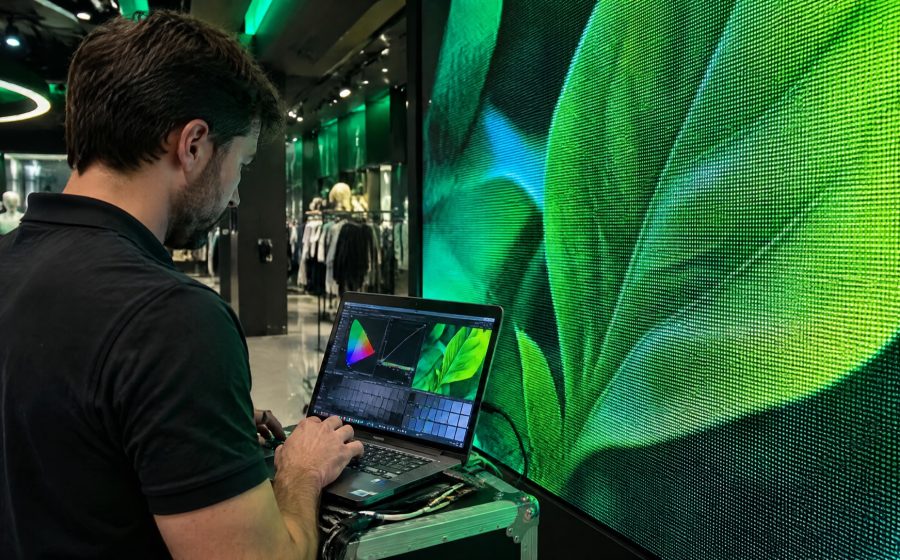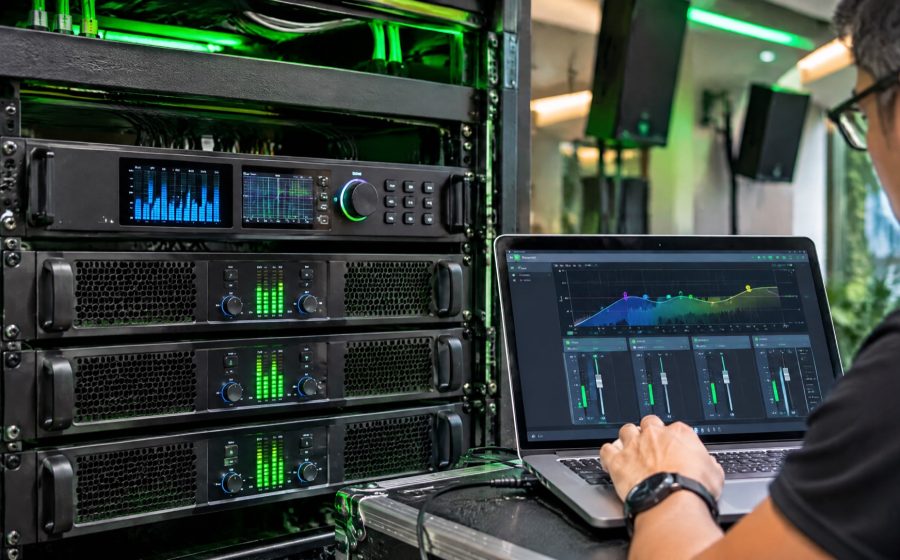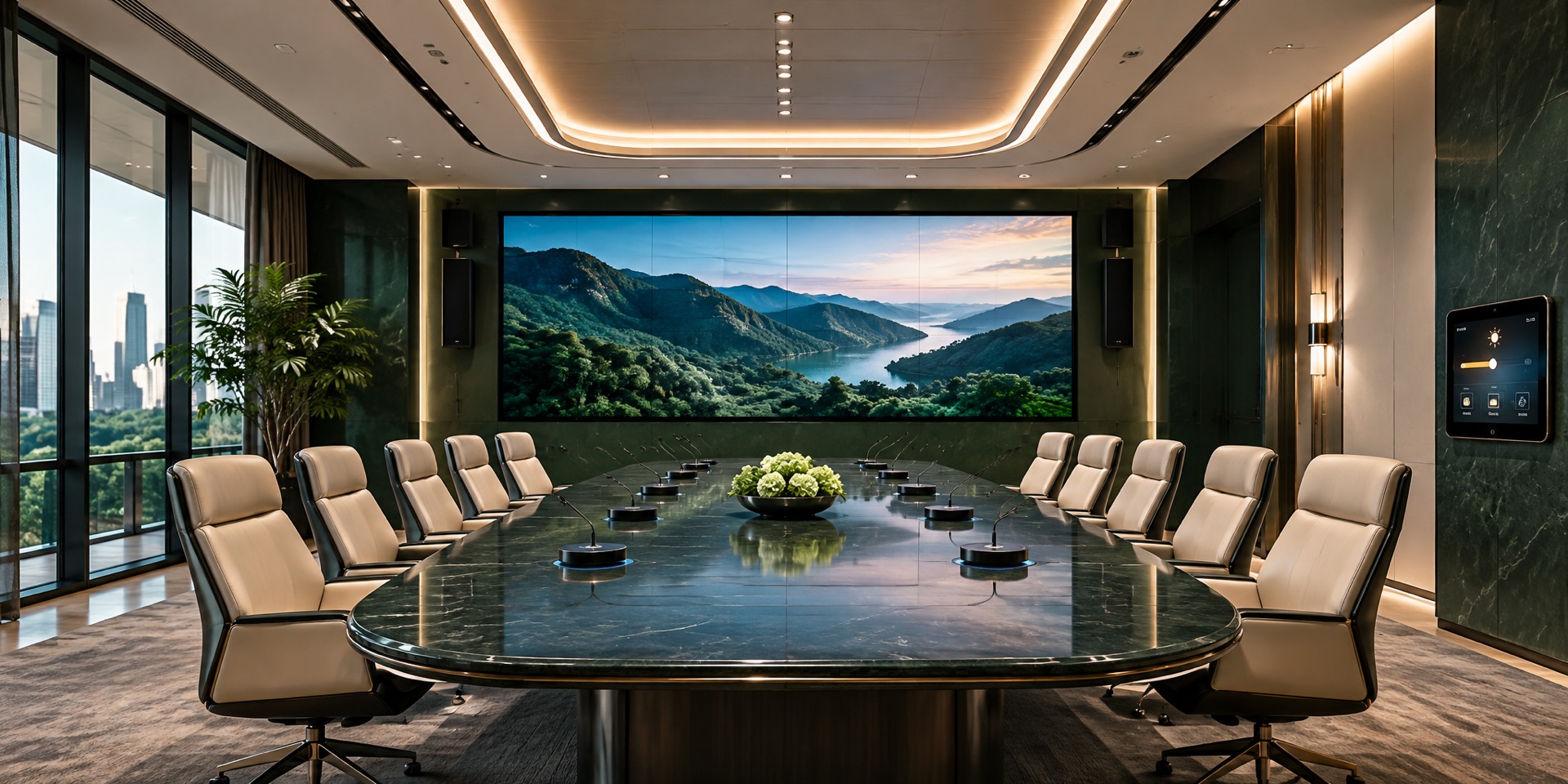
For years, distributing video meant buying an HDMI matrix with fixed inputs and outputs and running special cables with distance limits. AVoIP sends video over Ethernet like any other data.
How it works
Each source connects to an encoder; each display has a decoder; a managed switch does the rest. Changing what’s on each screen is a tap in an app.
Advantages
- Scalable: add a display or source by adding one device.
- Longer distances with fiber between switches.
- Video walls and multiview from the same decoders.
- Standard cabling (Cat6/Cat6A and fiber).
Technologies
Options range from compressed 1 Gb/s systems (H.264/H.265, JPEG XS) to near-lossless 10 Gb/s systems for demanding 4K, plus ecosystems like SDVoE, IPMX, Dante AV and NDI.
Network requirements
- Managed switches with enough capacity.
- Properly configured multicast and IGMP snooping.
- A dedicated AV VLAN.
- PoE where endpoints are network-powered.
More on AVoIP video & LED displays.
Have a project in Tijuana or Baja California? An AVS engineer can review your drawings and propose the right solution. Request a quote or email ventas@avsintegracion.com.